

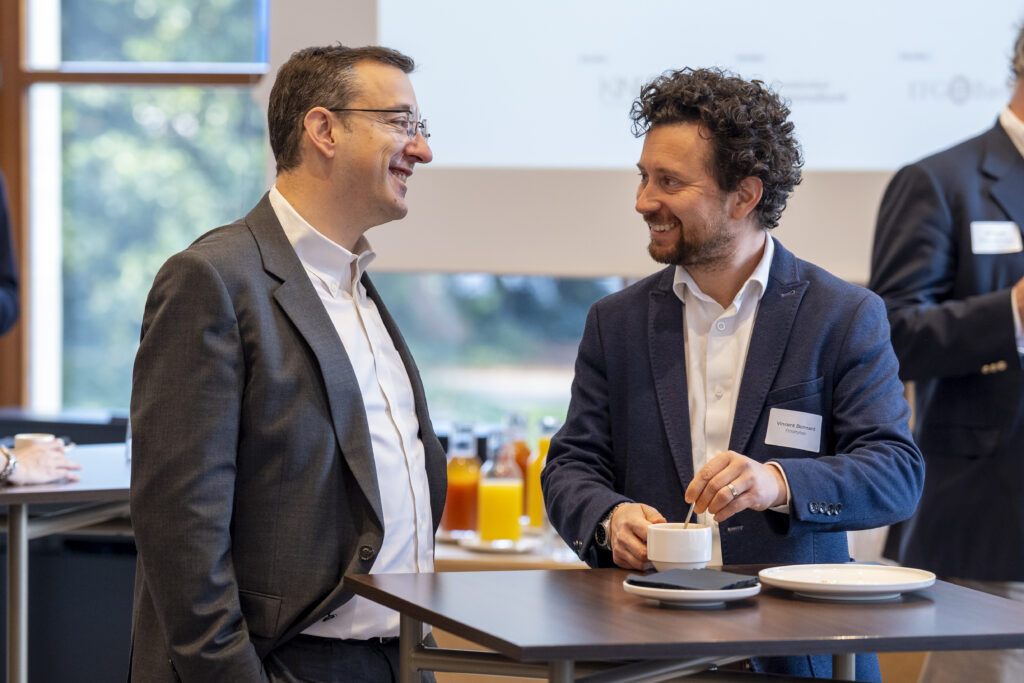
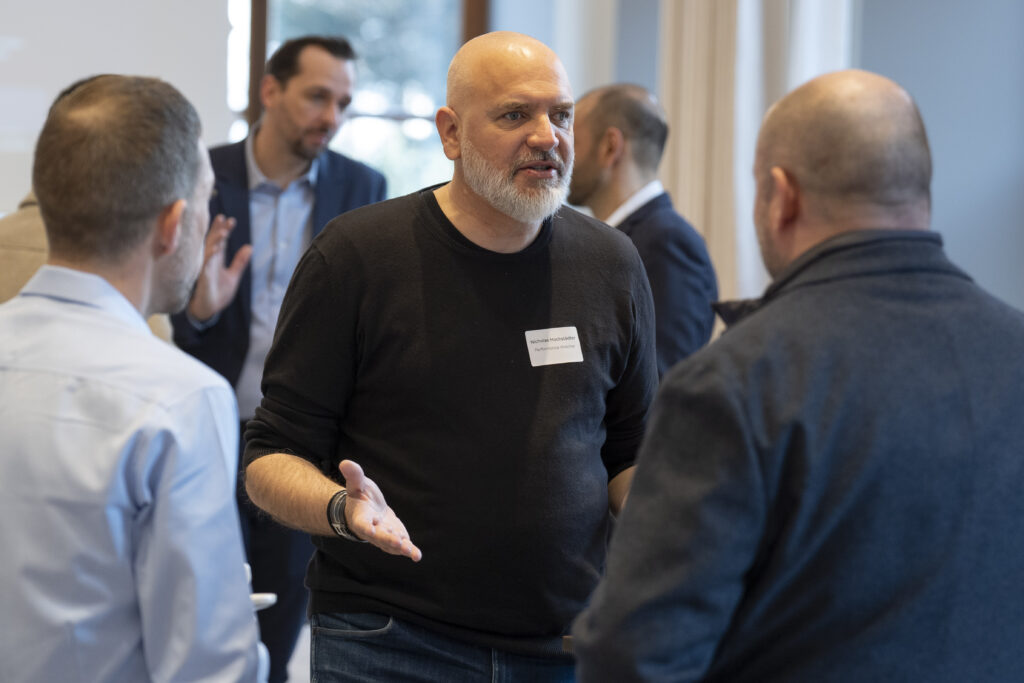
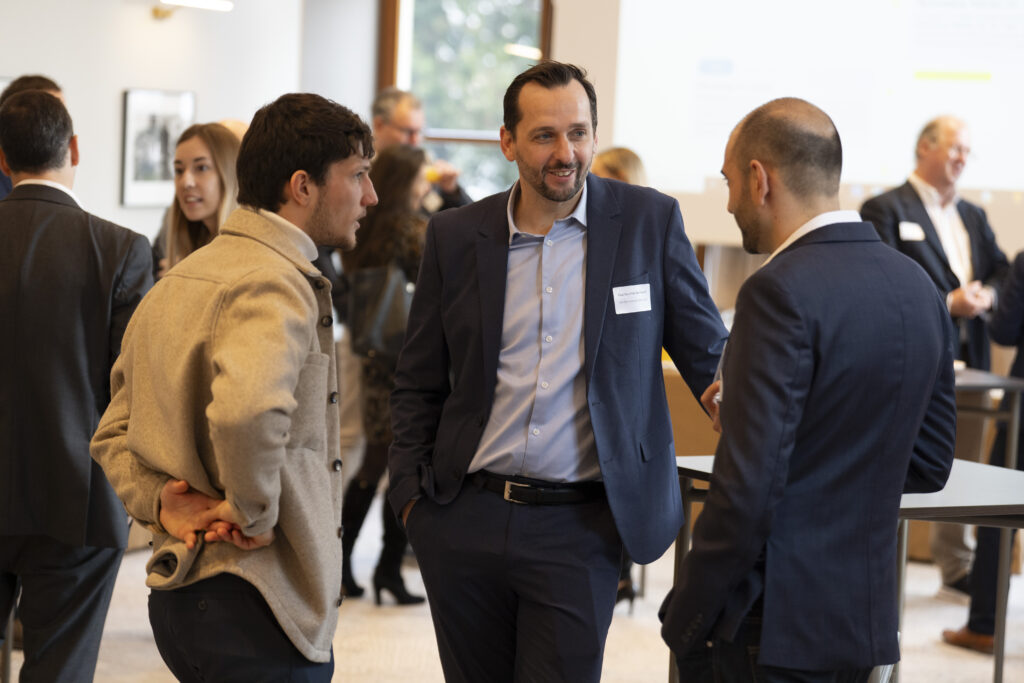
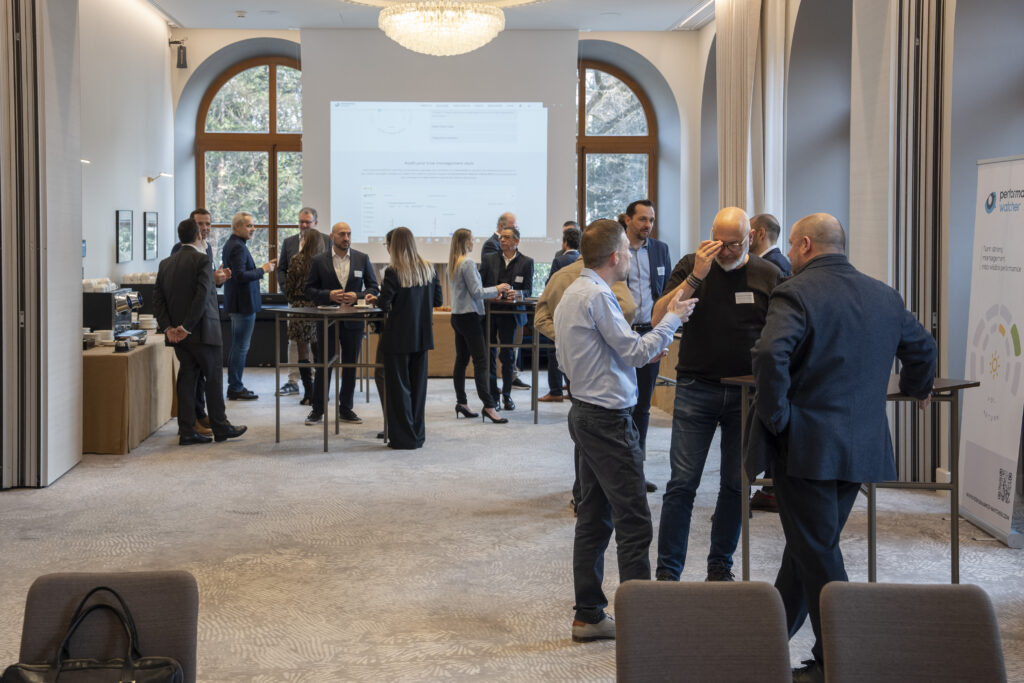
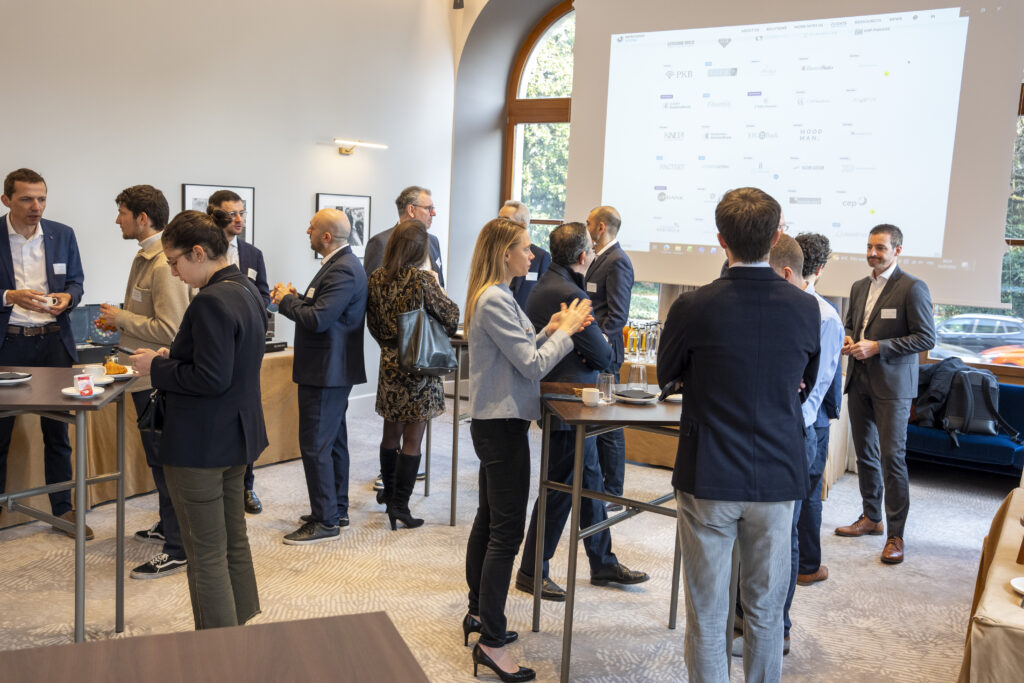
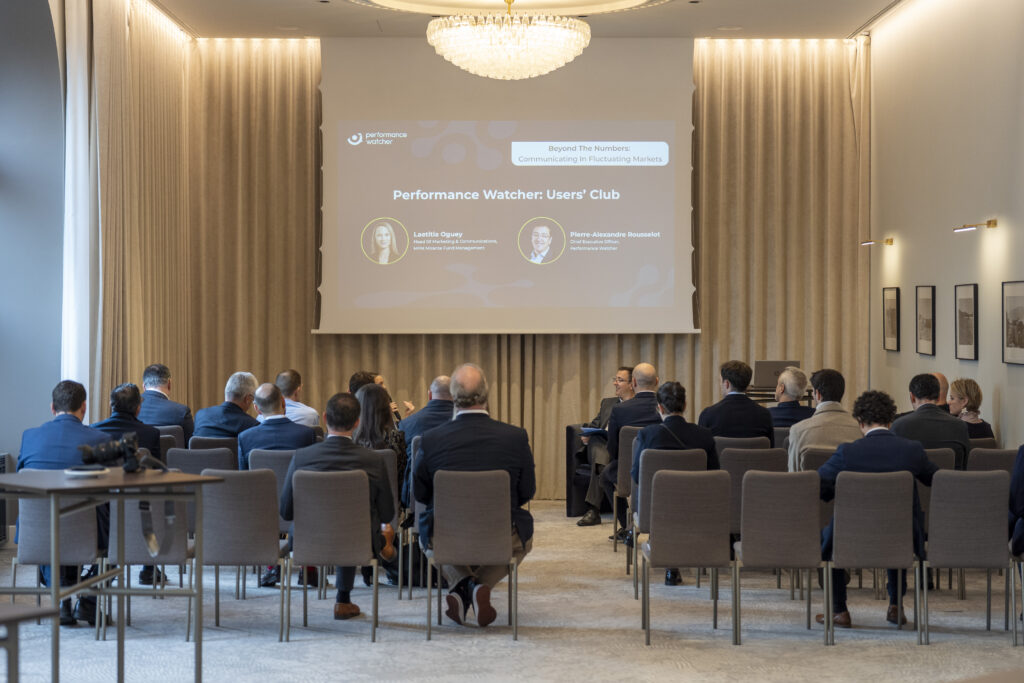
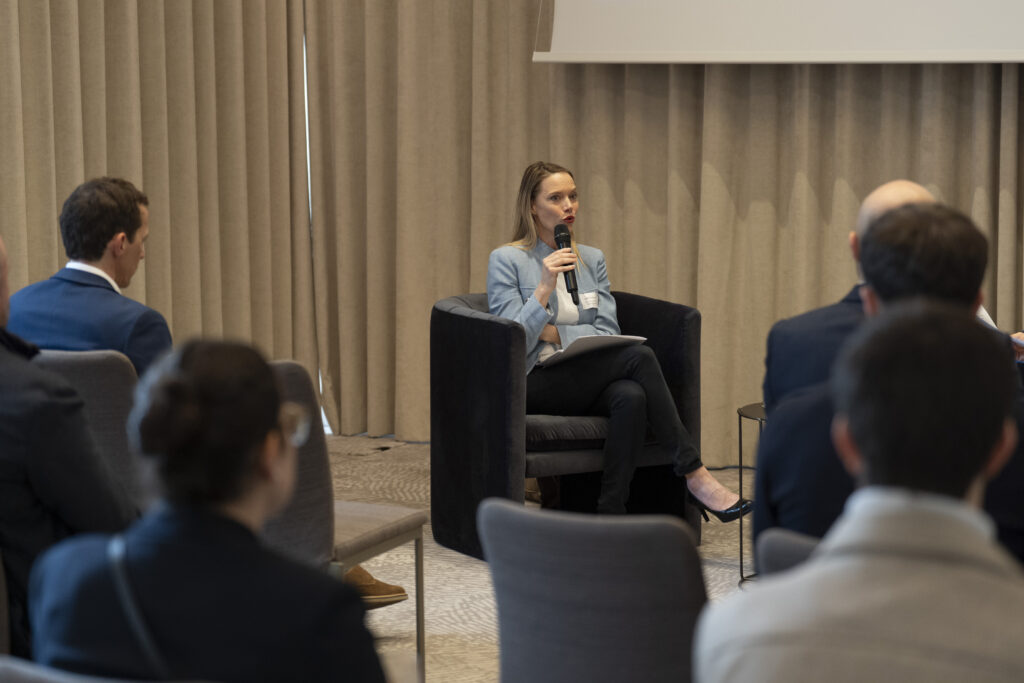
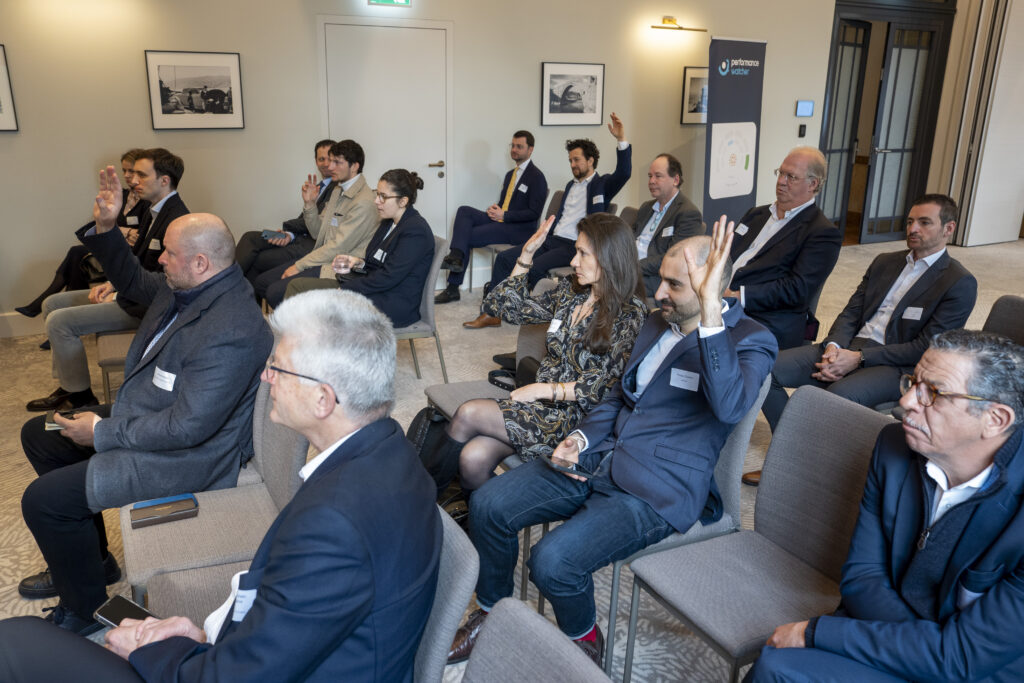
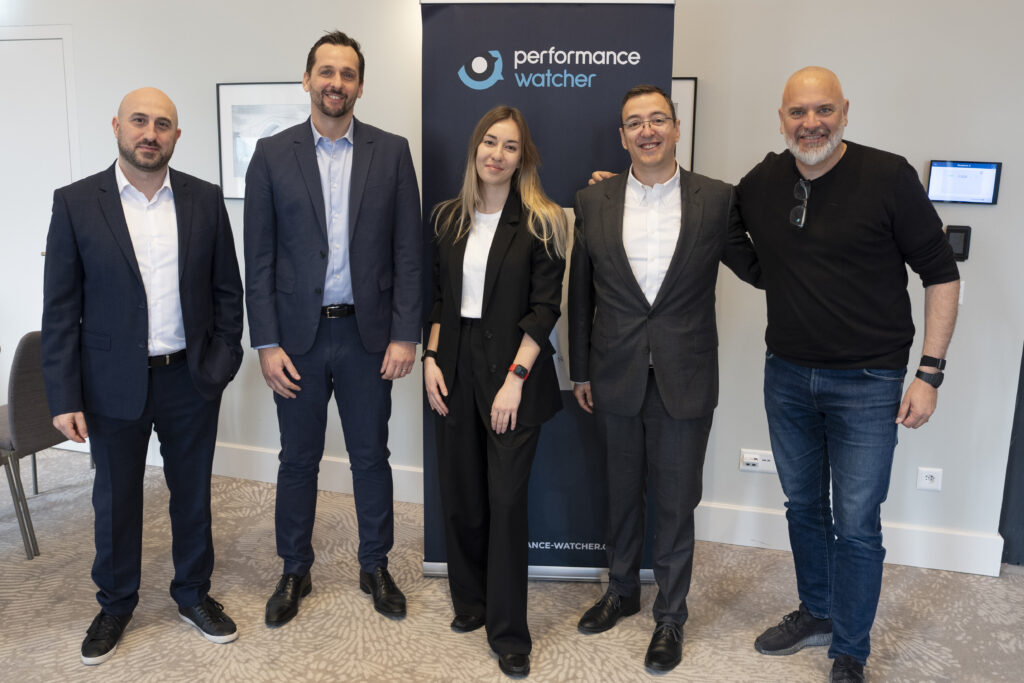
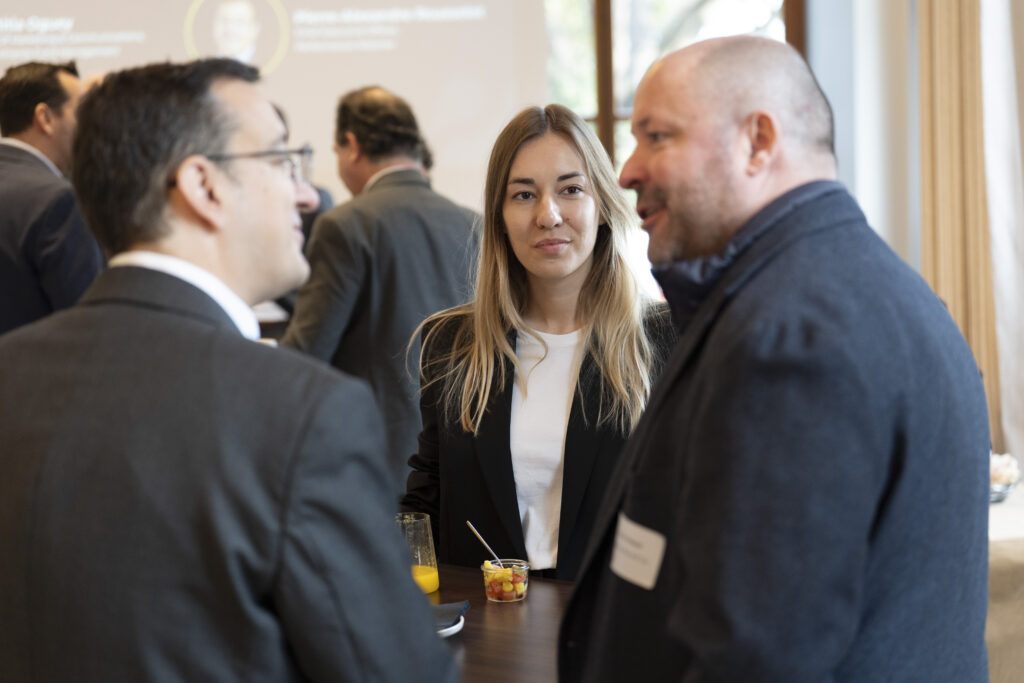
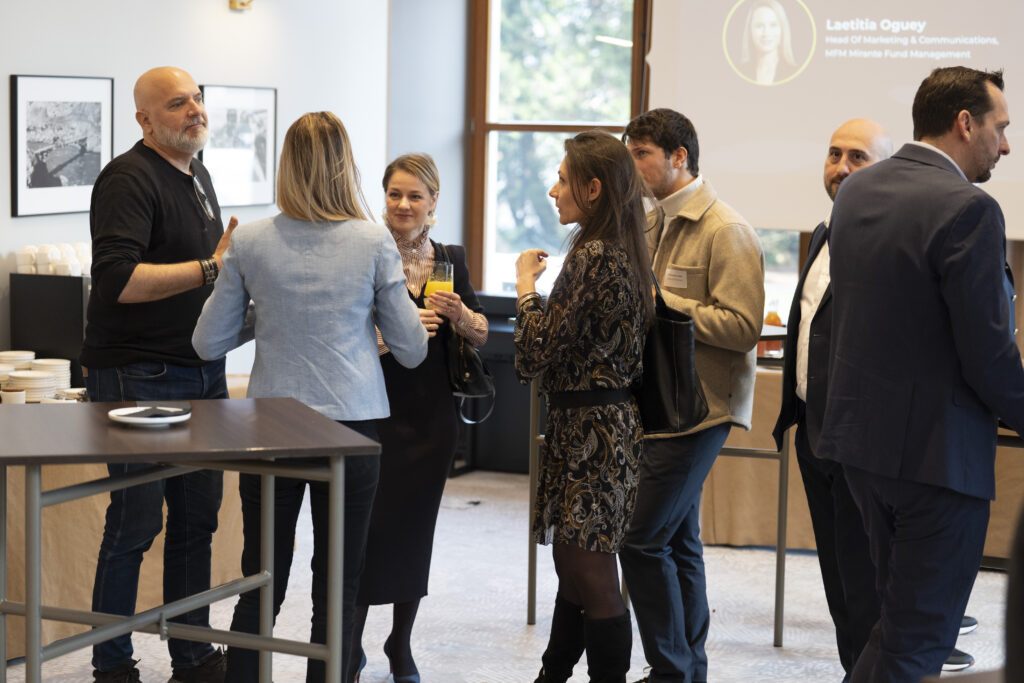
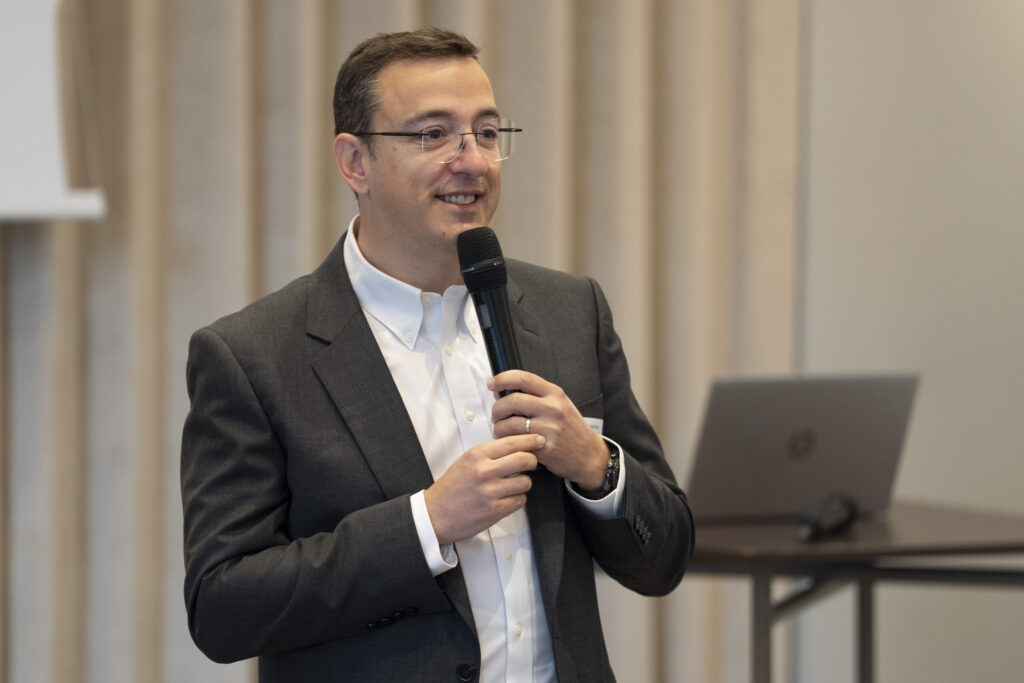
On 24 March, we hosted our first Users’ Club, a business breakfast in Geneva for a small group of wealth management community members. We chose this format for a reason. Rather than the industry’s usual panel setup, we brought a room of professionals together who work through the same challenges every day. We wanted them to connect and share — and they did.
The morning’s agenda
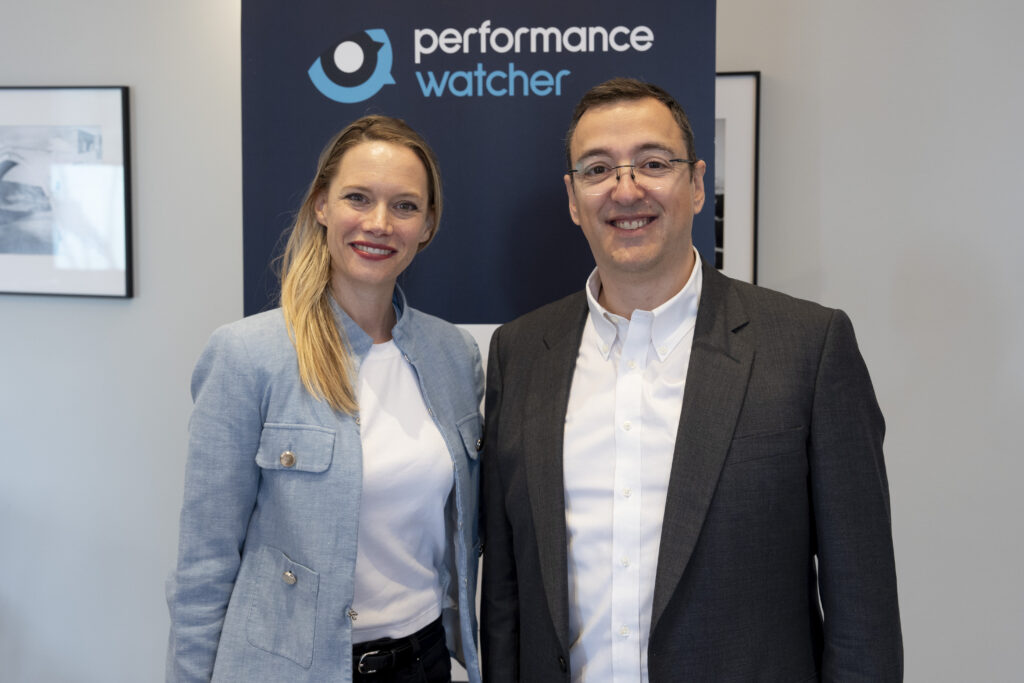
The conversation was led by Laetitia Oguey, Head of Marketing & Communications at MFM Mirante Fund Management, and Pierre-Alexandre Rousselot, CEO at Performance Watcher. Together, they walked the group through several communication challenges: navigating the regulated environment, explaining portfolio performance to clients with very different levels of financial expertise, and the transparency with which that story is told. The discussion became a practical guide: how to adapt your message, which standards to follow, and when simplicity serves better than detail.
We also spent time on brand trust and what it means when markets get difficult. The advisors who come through hard periods with their clients’ confidence intact are the ones who built that relationship long before any crisis arrived. In private banking, consistent and honest communication is what makes that possible. It does not appear overnight.
”Trust is built before the storm, not during it.
Who you are — and whether your clients know it
In wealth management, KYC (Know Your Customer) is a given. You gather extensive information about your clients: their financial situation, their risk tolerance, their goals. But the reverse is rarely true. Your clients often know very little about you, your team, the way you work, or why you do what you do. Laetitia made this point directly during the session, and it resonated with the room. If you want clients to trust you, they need to know who they are trusting. That means communicating your company, your values, and the people behind the work. Not as a marketing exercise, but as a natural extension of the relationship you are building.
Laetitia gave a concrete example of what this looks like in practice. MFM has a colleague who cycles from Geneva to Lausanne every day — to work and back. On every ride, he tracks his vitals, his speed, his data. He arrives knowing exactly what the route cost him and what he can count on next time. When MFM decided to start communicating from a more human angle, they used him as the starting point: a story about someone for whom data is not abstract, it is how he moves through the world. That is how the firm talks about itself now: through real people and their habits, real parallels between how their team thinks and what they do for clients.
The rules of the room — and why they are not the obstacle
The regulatory framework is another dimension the speakers covered. FINMA and other regulators now actively monitor wealth managers’ websites and social media activity. That changes what is possible in client communication and what is not. It limits certain language, rules out performance promises, and requires a level of care in every public message.
But the room did not experience regulation as a wall. The constraint forces clarity. When you cannot overpromise, you communicate what you actually stand for: your process, your values, your track record of honest reporting. Several participants noted that they had not changed their communication approach during the current market turbulence. Not because they were unaware of it, but because they had been building trust with their clients for years. That groundwork does not need to be rebuilt every time conditions shift.
What came out of the room
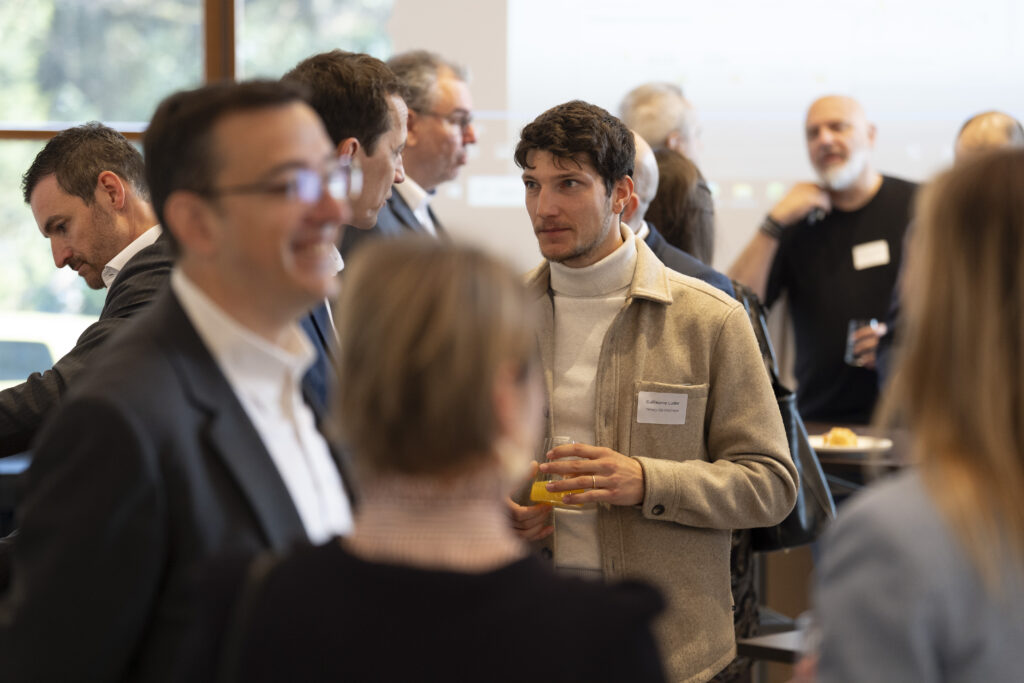
The conversation did not stay on the agenda. It moved into current market conditions and day-to-day reporting pressures. Professionals from various financial institutions came together for networking, they shared ideas and exchanged contacts. We even started brainstorming together on what the next event should focus on.
Community members also shared direct feedback on Performance Watcher: what they find useful in a wealthtech context, where they see room to improve, how they use the platform day to day. We listened. A lot.
More to come
This was the first Users’ Club. There will be others. We are already looking forward to the next one.
Thank you to everyone who joined us in Geneva. To stay informed about future events, follow updates on our community page.