

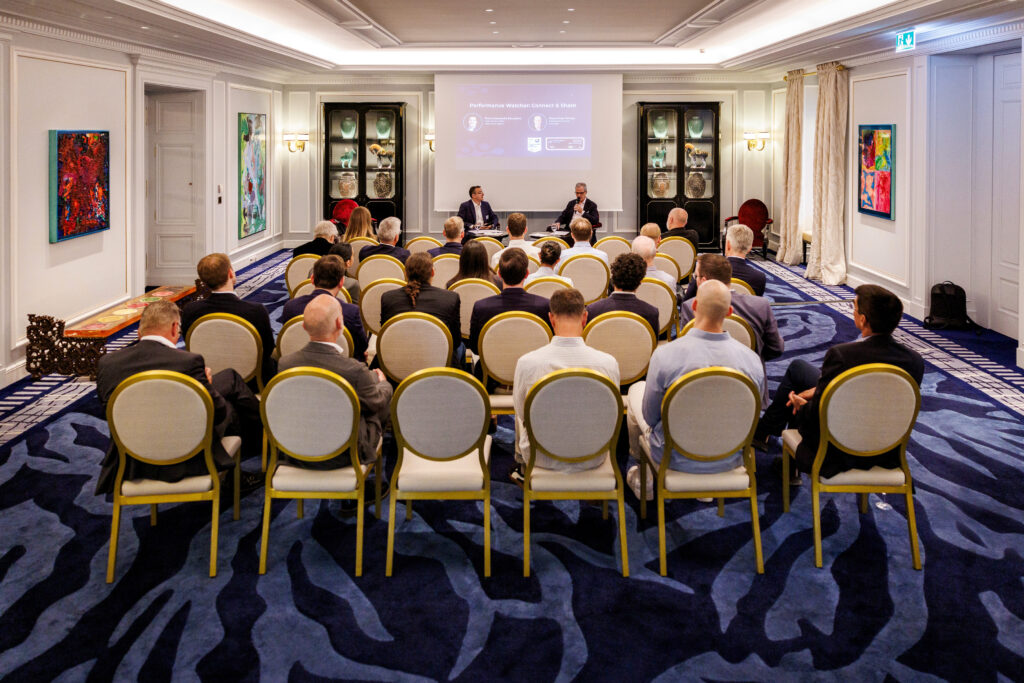

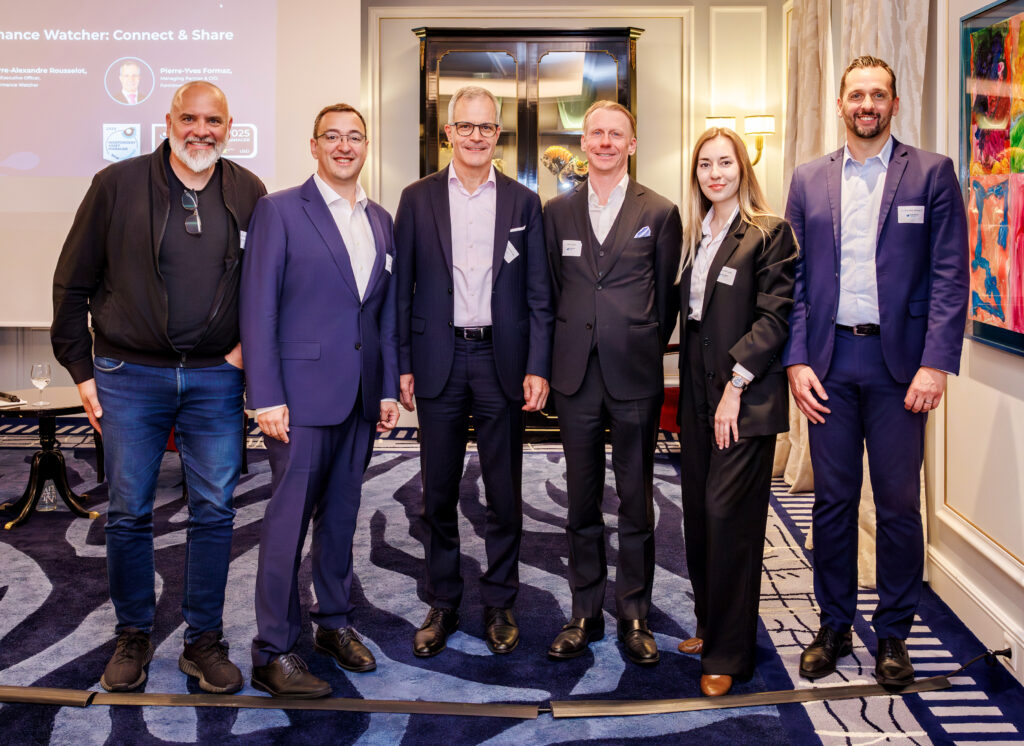
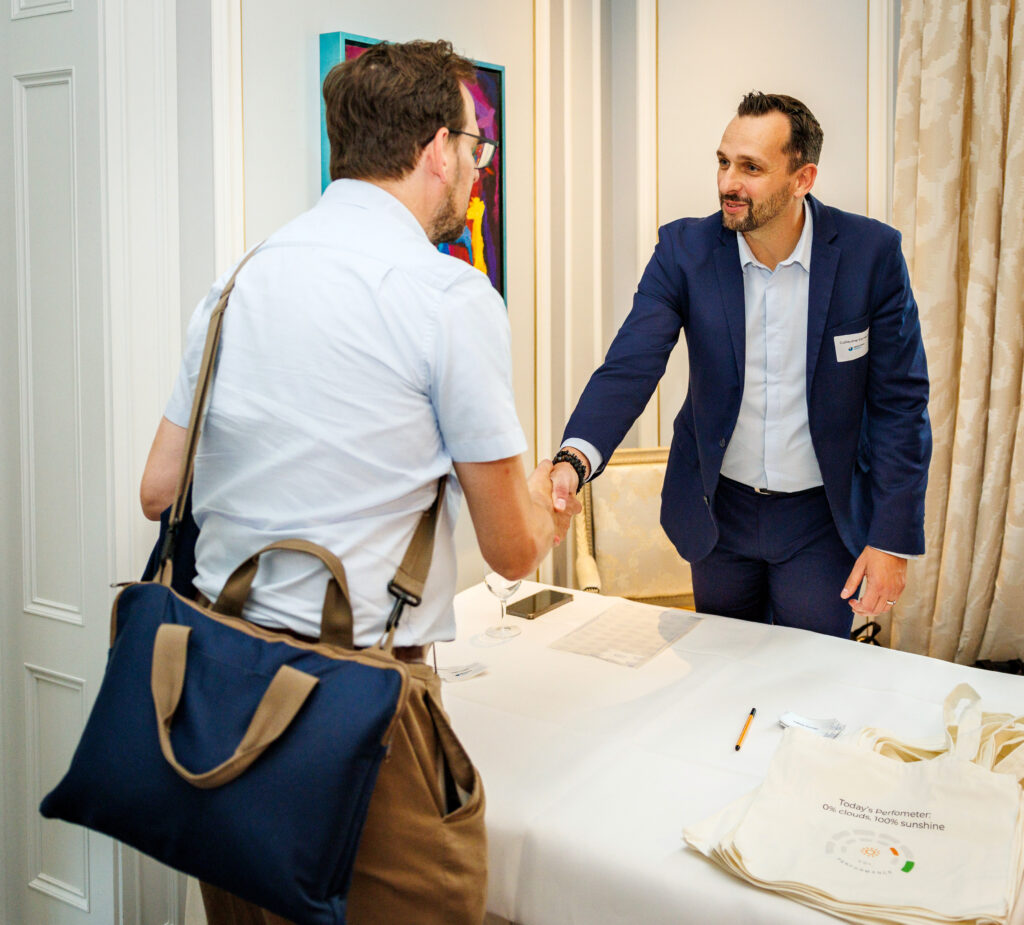
Performance Watcher held its first Connect & Share at Hotel Baur au Lac in Zurich on June 16th, deliberately broader than what came before. Earlier in the year, a Users Club in Geneva brought clients together for a closed, practice-focused session. This time, the invitation went wider: partners, friends of the firm, members of the community who face the same daily challenges, whether or not they are already on the platform.
The industry has a vocabulary problem. “Experienced, independent, client-first, strong results.” Every firm says it. Which means saying it no longer means anything. The evening was built around what comes after the claim.
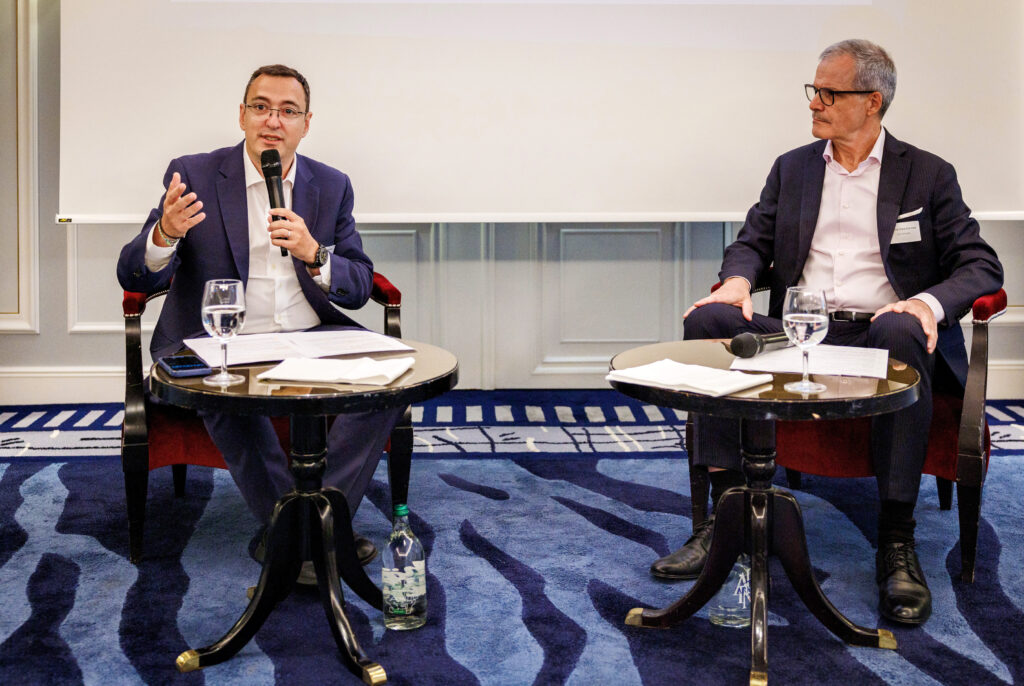
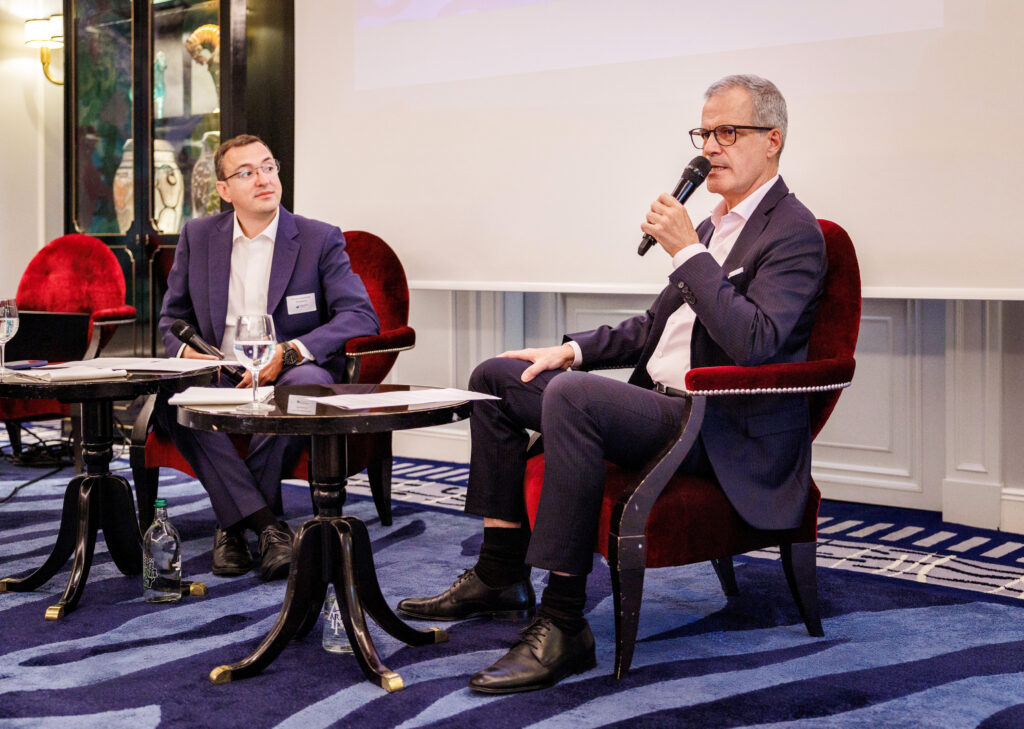
An on-stage conversation with Pierre-Yves Formaz
Few people can speak to that gap from both sides. Pierre-Yves Formaz can. Before founding FormInvest in 2012, he spent twenty-two years at UBS, the last ten as an investment advisor to high-net-worth clients in the Middle East. He knows what the industry looks like from inside a global institution. For the past fourteen years, he has been building something entirely outside of one: full independence, no proprietary products, no retrocessions, no institutional framework to fall back on. Having lived both sides gives him a perspective that is rare, and it is exactly what made this conversation useful for the room.
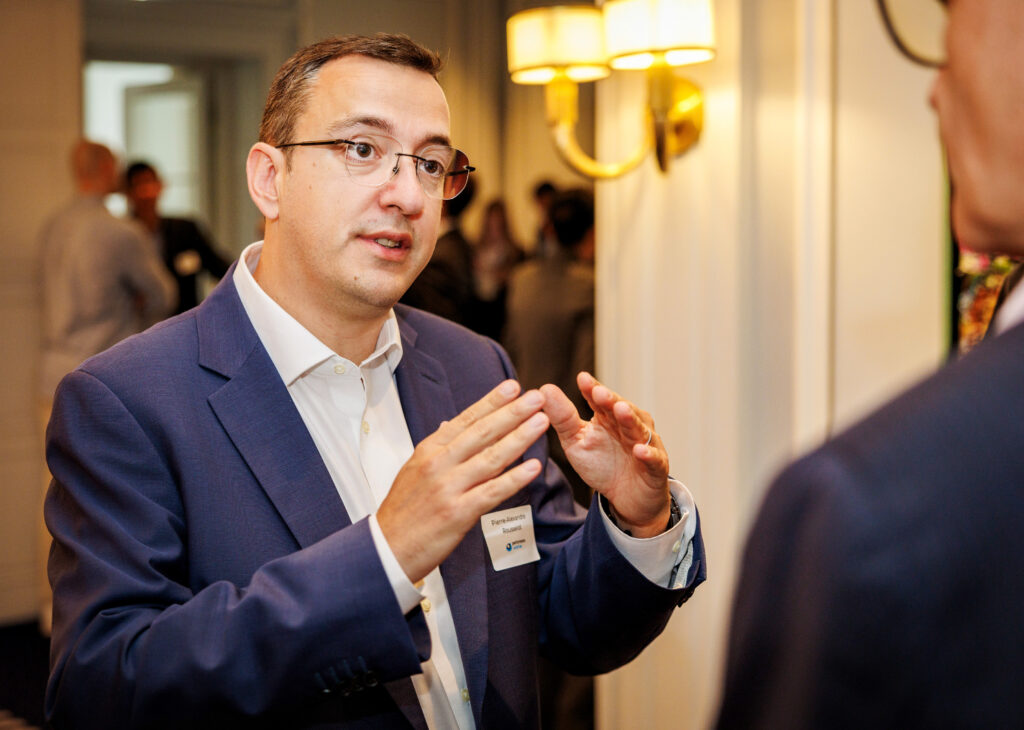
The dialogue with Pierre-Alexandre Rousselot, CEO of Performance Watcher, covered the journey from knowing you perform well to being able to prove it, and what changes once you can.
Turning results into something verifiable
FormInvest subscribed to Performance Watcher in September 2022, following their first GIPS verification. The two answer different questions. GIPS measures a firm against its own benchmarks over a long, audited history. Performance Watcher measures it against peers, updated continuously, on a neutral platform any prospect can verify themselves. “Put the two together,” Pierre-Yves said, “and you have a picture that is very difficult to dismiss. It is the difference between ‘trust us’ and: here is the evidence, from two independent sources — judge for yourself.”
What happened in March
The recent turbulence came up and was not sidestepped. Pierre-Yves described how his clients stayed calm during the correction, not because of reassuring words, but because the data was there. One moment stayed with him: a client who had always followed her portfolio emotionally, anxious at every dip. When they opened the platform at the worst point of the correction, she saw immediately that her portfolio ranked in the first quartile year-to-date, top five percent since inception. “You could literally feel the anxiety leave the room,” he said. “The conversation shifted to long-term objectives.” The data did what reassurance could not.
On discipline as the real competitive risk
Asked what he feared most for FormInvest, Pierre-Yves did not mention markets, regulation, or competition. “The biggest risk is internal. The day we start to deviate from our philosophy, the day we chase a trend because peers are talking about it: that is the day the approach starts to fail.” The room went quiet.
Questions from the floor
One question from the floor that resonated with the room: if peer benchmarking shows you where you stand relative to others, does it risk influencing your investment decisions? Pierre-Yves’s answer was clear. The benchmark is information, not instruction. Knowing where you rank does not, and should not, change what you decide to invest in. Your portfolio is your investment signature. It reflects your own convictions, your own reading of the market, the principles you have built your approach on. The moment peer data starts shaping those decisions rather than informing them, you have lost what makes your approach worth following. Seeing peers move into a position is not a reason to follow them. It is a reason to understand why you are not.
Apéro and open exchange
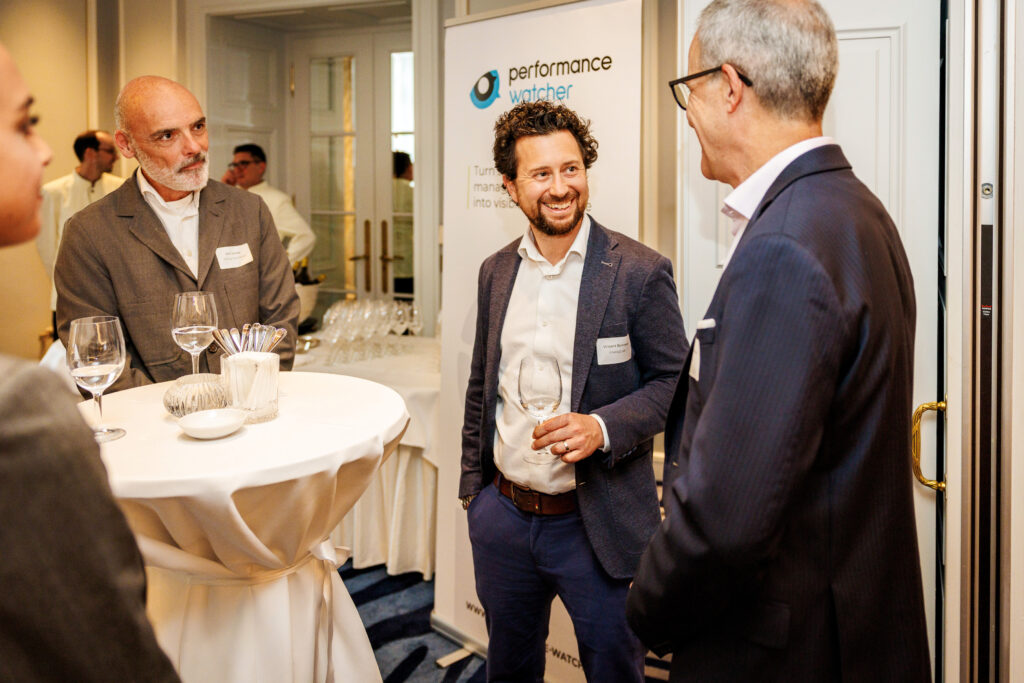
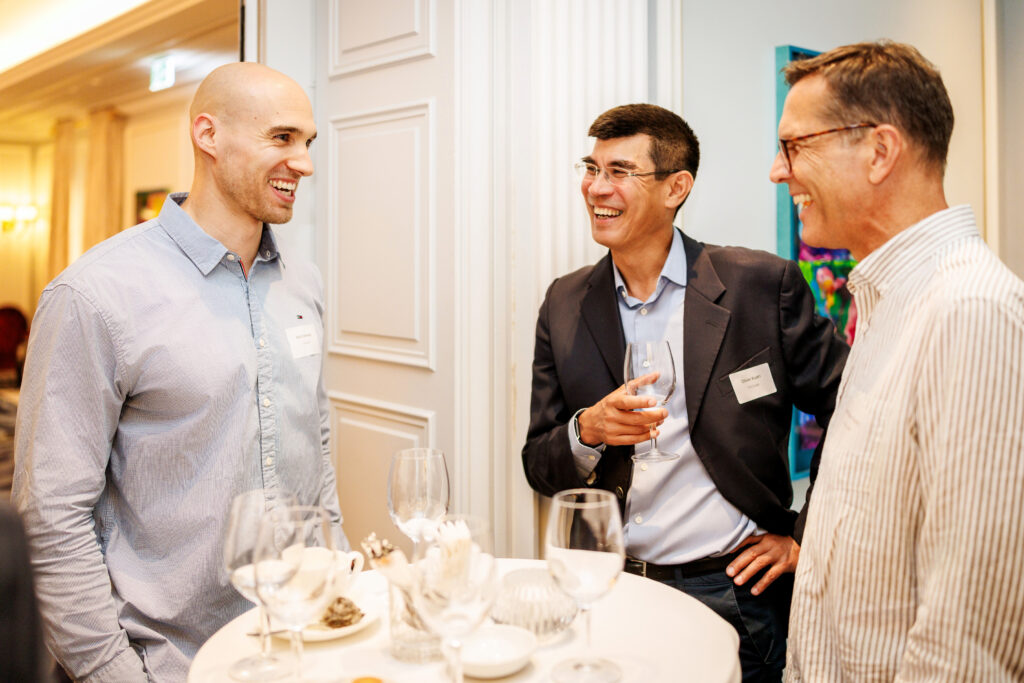
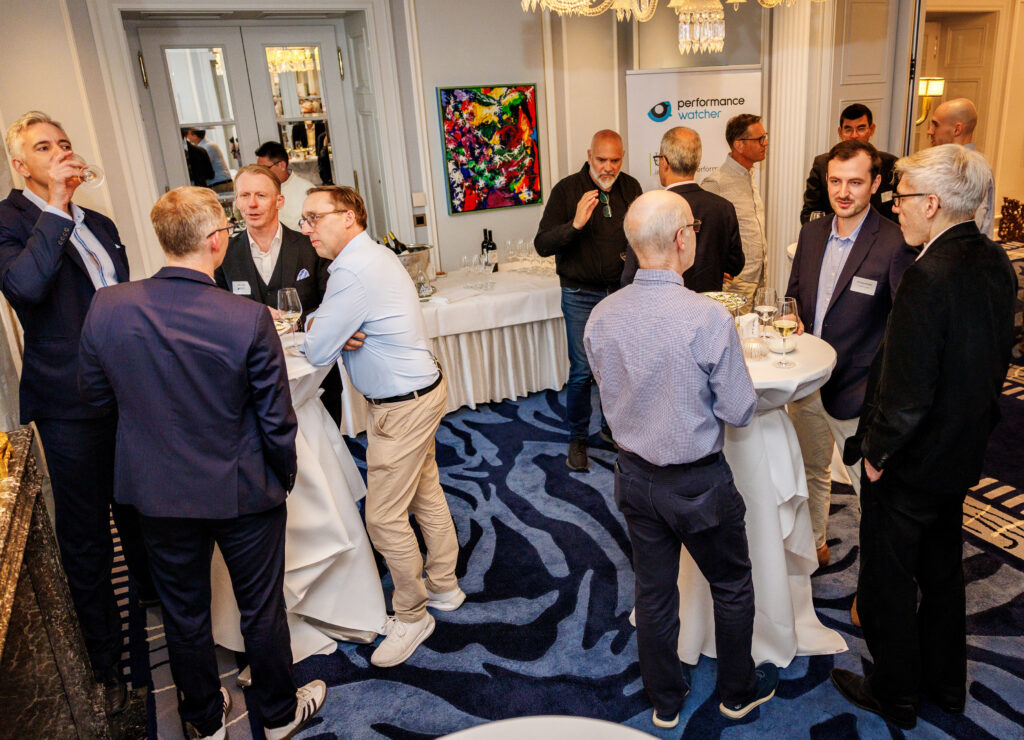
When the formal part ended, the conversations continued in their own direction.
Themes that Pierre-Yves had raised on stage carried into exchanges across the room: how to prove performance rather than just claim it, how to hold discipline when markets pressure you to act, how clients respond to data versus words. People compared situations. Questions that rarely get named in formal settings came into the open: how to hold a client’s confidence through a difficult quarter, what it actually takes to stand out when every pitch sounds similar.
Connect & Share was created exactly for this: to bring together professionals with different expertise and different perspectives, and let the conversation go where it needs to go.
A community that keeps growing
Community is at the centre of Performance Watcher. The platform is a common standard, but the value it creates depends on the people who build it together. Evenings like this one are where that community takes shape. Seeing it grow is what drives this series forward.
The next Connect & Share will be announced shortly. If you would like to attend, or if you are open to sharing your own experience at a future session, get in touch.